

How to Fix a Key Scratch on Your Car
If you have scratch marks on the key of your vehicle that you would like to fix There are a variety of options to choose from. Mobile auto detailing experts can repair the scratch and restore the original appearance of your vehicle.
Begin by observing the key and identifying problems. Then, test the key to confirm that it's working correctly.
1. Take off the keycap
Due to their regular use, keyboards are susceptible to wear and tear. They can also accumulate hair, dust and food that could cause them to malfunction. Cleaning your keyboard can help remove these traces and extend the life of your Keyboard.
Turn off your computer first, and then disconnect the keyboard, if you can. This will prevent accidental commands from being typed when you're using the keyboard. Find a place where you can arrange all the keys. This will make it much easier to attach the keys when you are done.
If you don't have a keycap removal tool, you could try using a flathead screwdriver or butter knife. i was reading this can also improvise and make use of a bent paperclip to create the shape of a "U-shape" to attach it to the key. Once you've removed your keycap clean it off and wipe the switch clean.
You can also clean the key stems. These are the little towers that are affixed to the faceplate. Use a cotton swab dipped in isopropyl ethanol to wipe off any debris on the faceplate. Be careful not to spill any alcohol on the printed parts of the key, as it could cause damage to the key.
Reattach the key after you have cleaned it. Start at the top left corner, and work your way across each row one key at a time. If you're using a new cap, align it with the switch on the key and press evenly on all sides.
When you're reconnecting the keycap be aware of larger keys such as the enter and space bar. They are joined to a bar of metal that is easily damaged if not careful. After you've put all the keys back onto the keyboard Test the keys by pressing down on them. When the keycap has been properly connected, you should hear a clicking sound and feel it pressing down. If not then you might need to try again reattaching it or bring it to an expert.
2. Clean is the key
A key may feel mushy and sticky for various reasons and the most common reason is that it simply hasn't set properly in its base or the key mechanism. The most effective way to resolve this issue is to employ a flathead screwdriver, or butter knife to cut the corner of the key off. There will be a sound when the key comes off and you can clean it with alcohol or water to cleanse it. If your keys are rusty, you can clean them using salt and lemon or place them in the solution of water and vinegar to get rid of iron particles that cause the rust.
Close your computer down and unplug it if necessary. It's important to ground yourself as well, because the last thing you'd want to do is harm electronic components by static electricity.
Start by wiping the entire key and its surroundings with an unlinty cloth that you've wrung out well to ensure that there is no moisture in between the keys. Use an easy cleaning solution since stronger cleaners may damage the plastic.
Use a cotton swab that has been dipped in isopropyl (rubbing) alcohol to clean the edges of the key. Be careful not to spill any of the alcohol on the printing because this could cause discoloration or even strip the lettering from your keys.
You can also get an electronic cleaning brush available at the general store to get rid of the stubborn dirt and dust. You can also buy products with a gel consistency that can be applied to your keyboard, and then peeled away. This will eliminate any loose debris between your keys.
If your key remains sticky or mushy after you've tried the above solutions, it might be time to replace it. Depending on the type of key, this may be a fairly simple process or it can be more complicated. You may need to disassemble the entire mechanism in order to remove the old key and then put the new one in place.
3. Reattach the cap to the key.
We don't often think about our car keys until they break or locked inside the car. It could be a major headache, but you can repair it and save money.
Try using compressed air to remove any dust or debris that could be blocking the switch. If this doesn't help you, try prying the key cap and cleaning it.
Use a plastic prying tool, like a credit-card or a spudger. (You could also employ a knife if are in rush). It is also recommended to have a small tool like a toothpick or tweezers to clean the tiny grooves that surround the key.
After cleaning the key, reconnecting the keycap will allow you test it. If the key does not respond, you may need to replace the switch on your key.
If your keyboard is old or your key switch is damaged, you'll need to purchase a replacement and then solder it to the existing. This is a complicated fix, but it's often the only option in the event that the key doesn't work anymore.
One of the most frequent reasons for the key to stop working is due to dust accumulation under the key. You can simply clean the area to get rid of any dirt and debris.
A key may stop working because the switch has become corroded. This can occur when water or a different liquid gets into the key switch. It could cause corrosion, which will eventually eat the pins and connectors of the circuit board.
You can stop this from happening by cleaning the circuit board prior to replacing the key. This will help to make the switch more resistant to corrosion and it will also make it easier to remove and put into a new key switch.
If you're not confident fixing your laptop by yourself, you can take it to an repair shop for electronics. They'll inform you if your key switch is able to be saved, and they'll be able to replace it if required.
4. Test the key
It can be a hassle and even risky when a key does not work to start your vehicle. It can also be expensive if you need to buy an alternative key fob. However, before you rush out to the auto shop or an electronics store there are a few quick solutions you can try. Try first an alternative key to determine if it's your original key that is causing the problem. This will help narrow down the issue and save money in the long term.
If the key isn't working after taking it apart, you'll be able to determine the cause. The key cap, key carriage and key pad are the three major components of most keys. Each of these components can cause different issues with the key. A common problem is that the cap of the key might be loose or slanted, which could prevent it from snapping back into position when you press the key. It is usually fixed by re-seating the key cap.
Another possibility is that the key carriage or the key pad may be dirty or damaged. These parts aren't easy to repair, but you can often clean them using the toothpick or tweezers. Be careful not to damage any internal parts this could cause your key to stop working completely.
You can also do the test of key-rollover. This test will determine if the key can register more than one key combination simultaneously. You can test this by pressing several keys at the same time, then checking whether or not they all register correctly. If any keys don't register, you may need to clean or replace them.
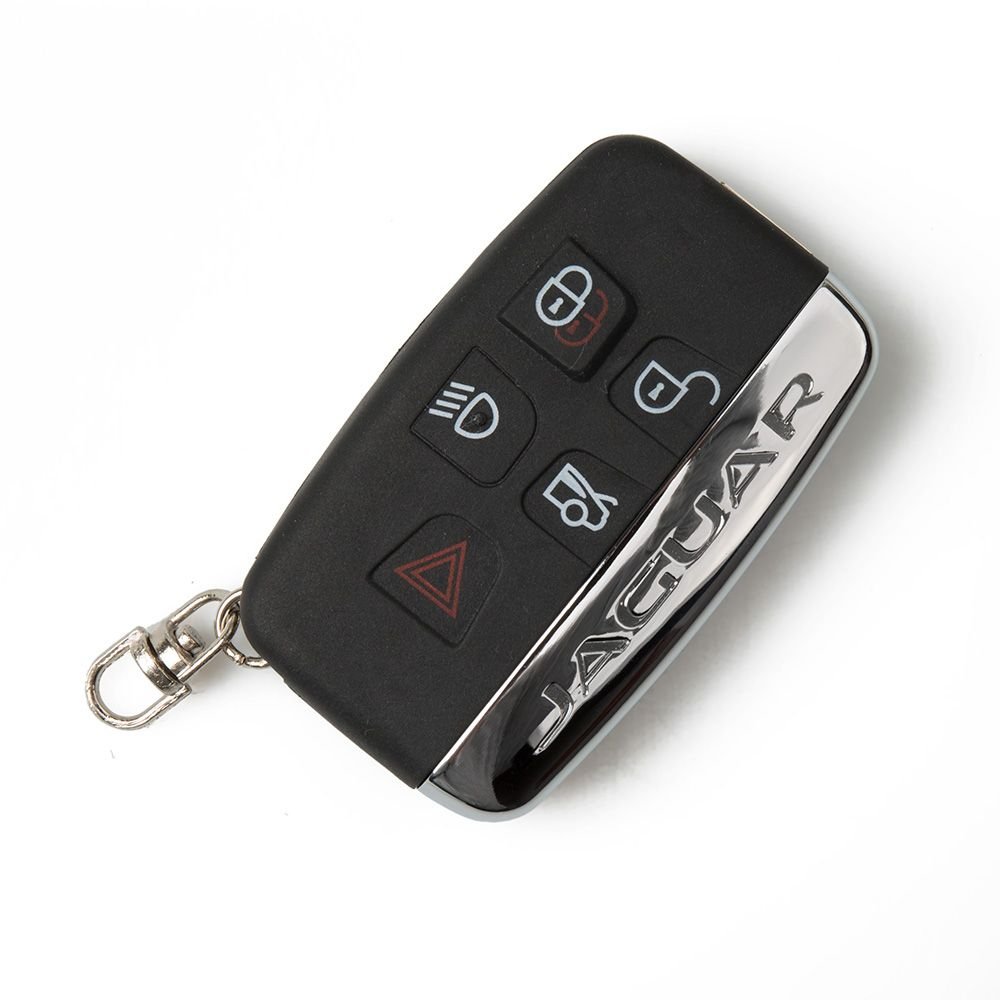
You can also replace the battery on your key fob. It's a cost-effective and quick way to test your keys. It will also let you know if you have a dead battery or a damaged switch.